Deconstructed: Head Vampire
A terrifying example of classic horror tropes!
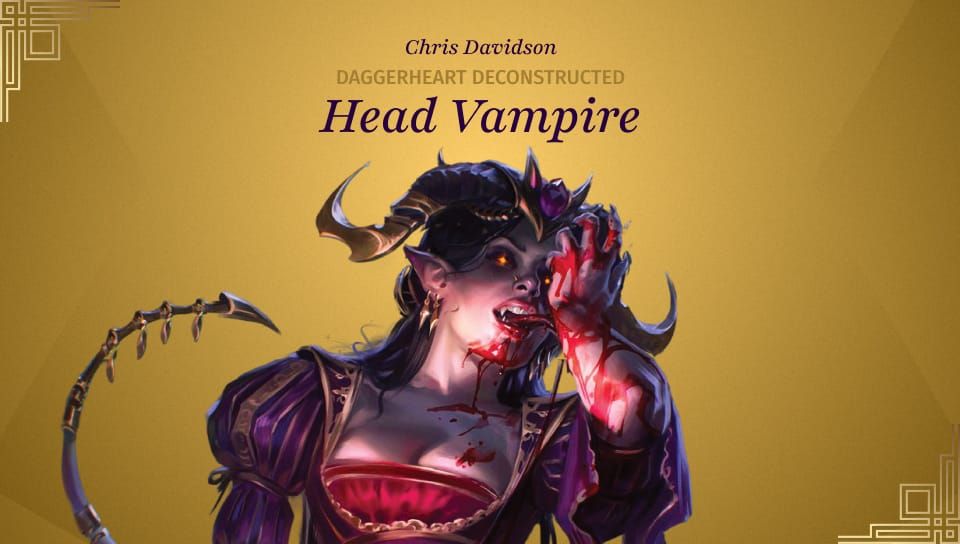
NEARLY ALL MY LIFE I've been obsessed with vampires. I can’t say what my first vector of exposure was, but I remember the campy 1987 horror-comedy film, Monster Squad being an early contender. The story is of little consequence, but the inclusion of the Vampire as the leader of that film stuck with me. When I saw the Head Vampire included in the core rules, it was the first thing I thought of.
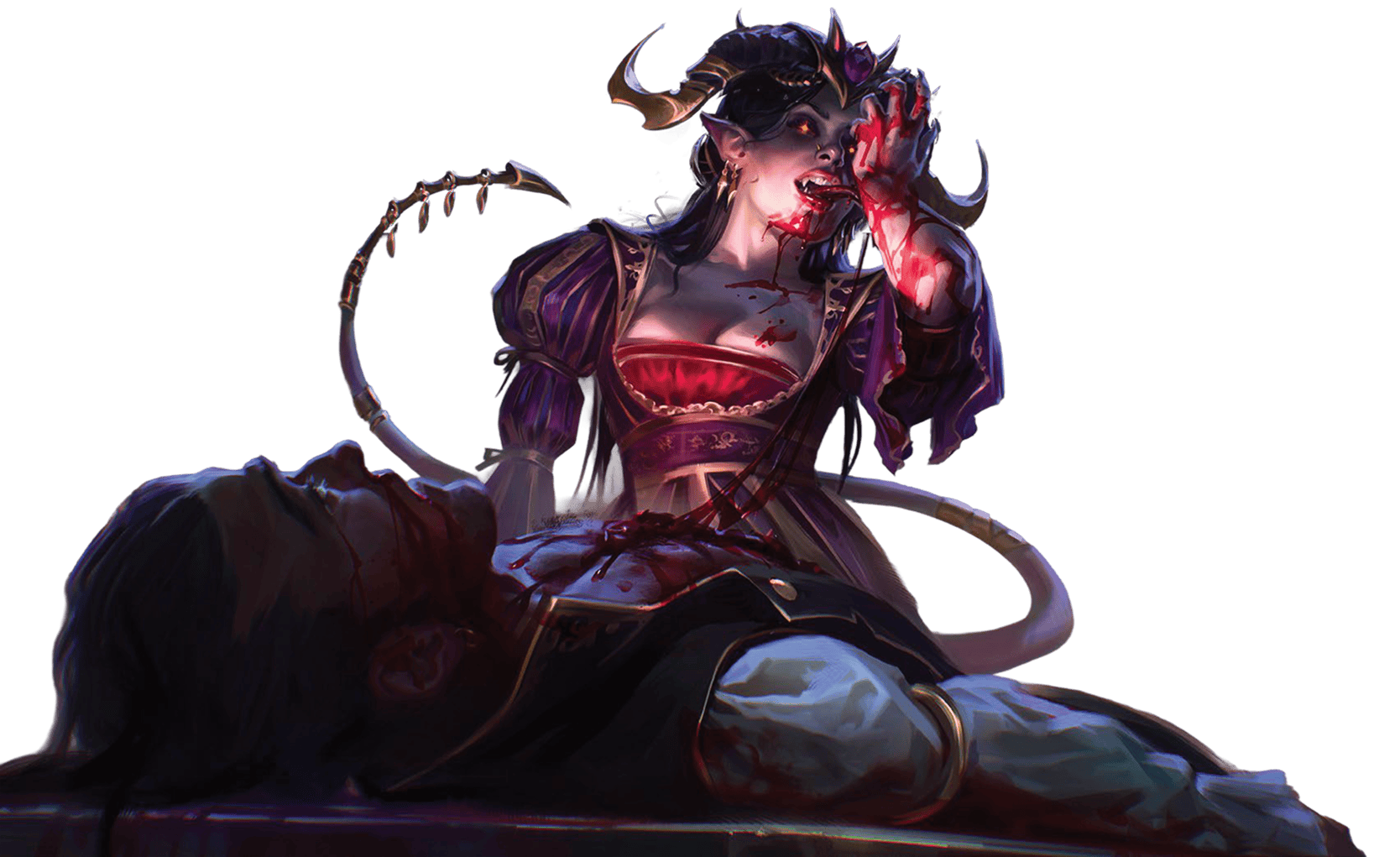
The Head Vampire is a Tier 3 Leader who embodies classic tropes such as feeding to rejuvenate themselves and a mystifying ability tied to their gaze. Like other Leaders, they can be quickly worn down by a tenacious group of characters due to their low HP, if not played smartly.
When looking at their description, Motives & Tactics, and Experience, you can see that they are captivating, charming, intimidating and aristocratic; everything you’ve come to expect out of a traditional vampire menace. This implies that violence isn’t the first thing this Vampire will turn to when confronted. Perhaps they will attempt to draw the party into their abode as a next meal or a new set of thralls. We know that they can fly, and create thralls to command, so they will keep their distance and have others do their dirty work. This stat block is good for a faceless second-in-command vampire, but if you were to bring this Adversary in as a main villain of a campaign arc (or even the climatic end of a campaign), I would consider this as a decent base for a phase-changing Solo for the Vampire Lord in Hope & Fear.
The Head Vampire’s Difficulty is very low for a Leader and its thresholds are high, with its Severe being slightly above every other T3 in the core rules. Because it has access to healing, it can extend the fight so long as it has allies. Only the Greater Earth Elemental and Young Ice Dragon have a higher attack than this Vampire and its damage with its standard attack is powerful, but swingy. While this isn’t its only way to damage a PC, during combat, the other, Lifesuck, may never go off.
The Head Vampire’s main goal in a confrontation is to generate Fear which can be used to continue to summon allies or spotlight them. It does this in two ways. The first is by making attacks that activate Terrifying. The second is Look into My Eyes. Most of the moves this Adversary has are iconic to a vampire, but require them to either be in the thick of the battle, or for the GM to spotlight and move them in and out of the fight, incurring the wrath of the warrior. So what is the right thing to do?
As with all Leaders, the Head Vampire isn’t nearly as dangerous if they don’t have followers. While they can summon their sycophantic followers after a battle has begun, you should introduce them with their allies at the top of the scene. A Dire Bat, a Dire Wight (designed by yours truly), and a few other Vampires are all acceptable, depending on the situation. Perhaps they might confront the party at a masquerade ball (using the Environment from Hope & Fear), or in the deep dungeons of a Vampire Lord’s castle? Having allies on-hand allows the Head Vampire to regain HP through the use of their Feed on Followers action. I would suggest using this when the Head Vampire is away from the party because regaining 1 HP is not as helpful when you're getting attacked from all sides.
Which brings me to the problem that GMs might face when running the Head Vampire. Its features encourage it to wade into the fray, where most Leaders would prefer not to be. They need to be surrounded for Lifesuck to do anything of real consequence (if you’re lucky) and one entire feature is centered around a PC approaching them. So when you’re planning an encounter that includes the Head Vampire, consider using something to draw them in. Position an NPC (bonus points if it’s someone the PCs have previous encounters with) next to the Head Vampire that is under their thrall. By doing so, you have a narrative shield, and a food source. Having something like this will force at least one PC into range of the Head Vampire’s standard attack (and Terrifying), Look into My Eyes, and Life Suck, which is when they are the most dangerous.
If you’re still looking for something that would fit better for the Vampire experience, you might consider taking the features from the Standard Vampire and tacking them (and 3 more HP) onto the Head Vampire. You could consider dropping Feed on Followers, and make Lifesuck do what the name implies and heal the Head Vampire if any target marks HP.
You’ll note that other TTRPGs also like to draw on the tropes and folklore that weaken the vampire, but those aren’t part of this stat block. In my opinion, this is by design and gives you a great jumping-off point to engage your players, and encourage them to help create the lore of your shared world.
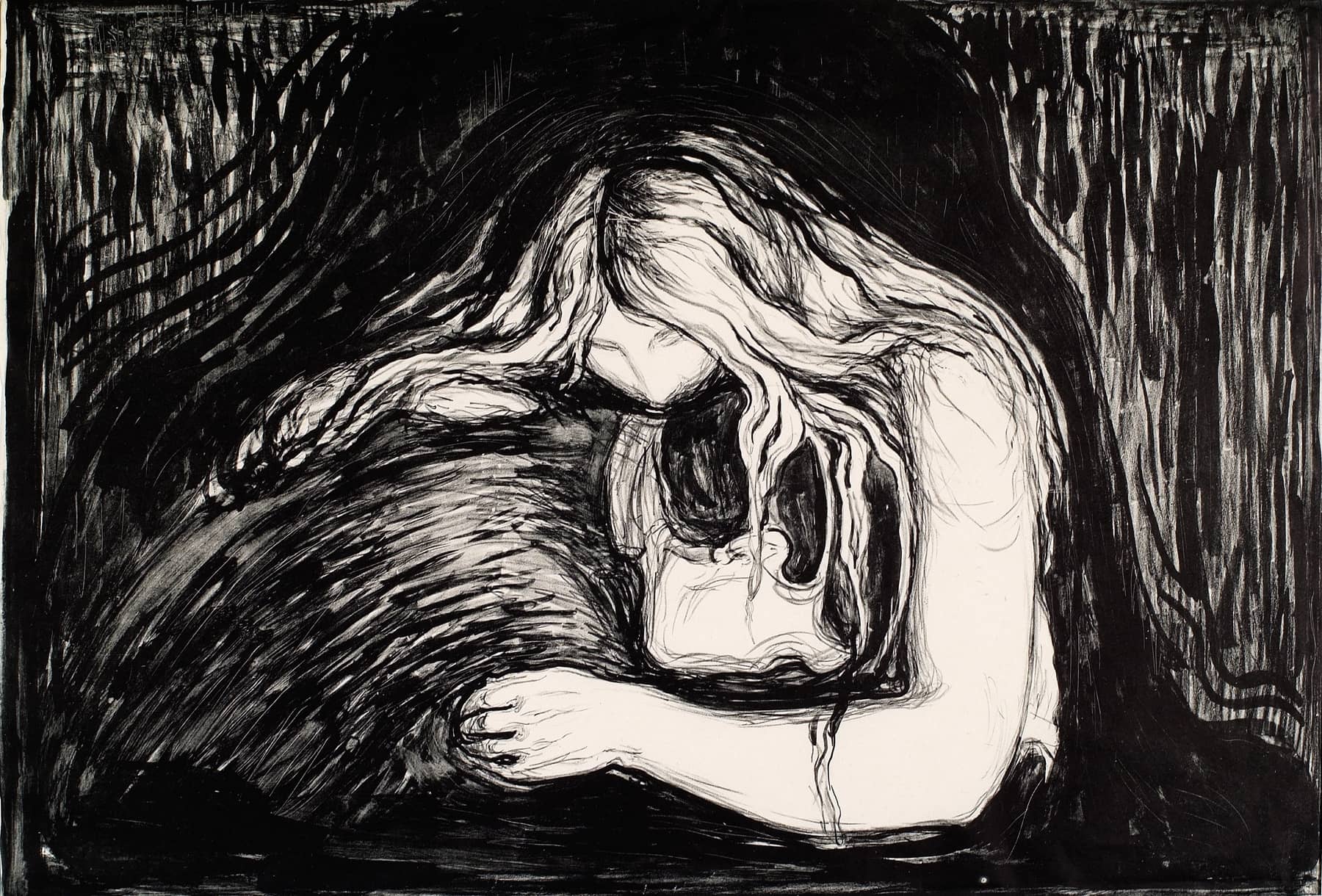
If you ask your players what rumors their characters might have heard about Vampire weaknesses, maybe they’ll come up with the typical things like sunlight and running water. But with some GM encouragement they might come up with something else. It could be a weakness to mercury, or their eyesight is poor and their ears are large like bats. You might gather these rumors and determine which are true and which are merely diversions spread by vampires in order to confuse their enemies. Rumors are a great way to create quests and subvert the very tropes we came here to talk about!
Daggerheart Deconstructed is written by ENNIE Award-winning writer Chris Davidson, author of RightKnight's Guide to Making Custom Adversaries, one of the authors of Incredible Creatures, and Additional Writer for the Daggerheart Core Rule Book.