Vol 33: Salim & Serenity
This Time, Nobody Dies. Certainly not the Brawler, nor the Norwegian nixie. There’s a continent to explore, adversary cards to fill, and a map to the mad wizard. A monster approaches, as does a Bundle and a FAFO Bard. Plus: a framework for social encounters and a medieval village to uncover.

SPOTLIGHT
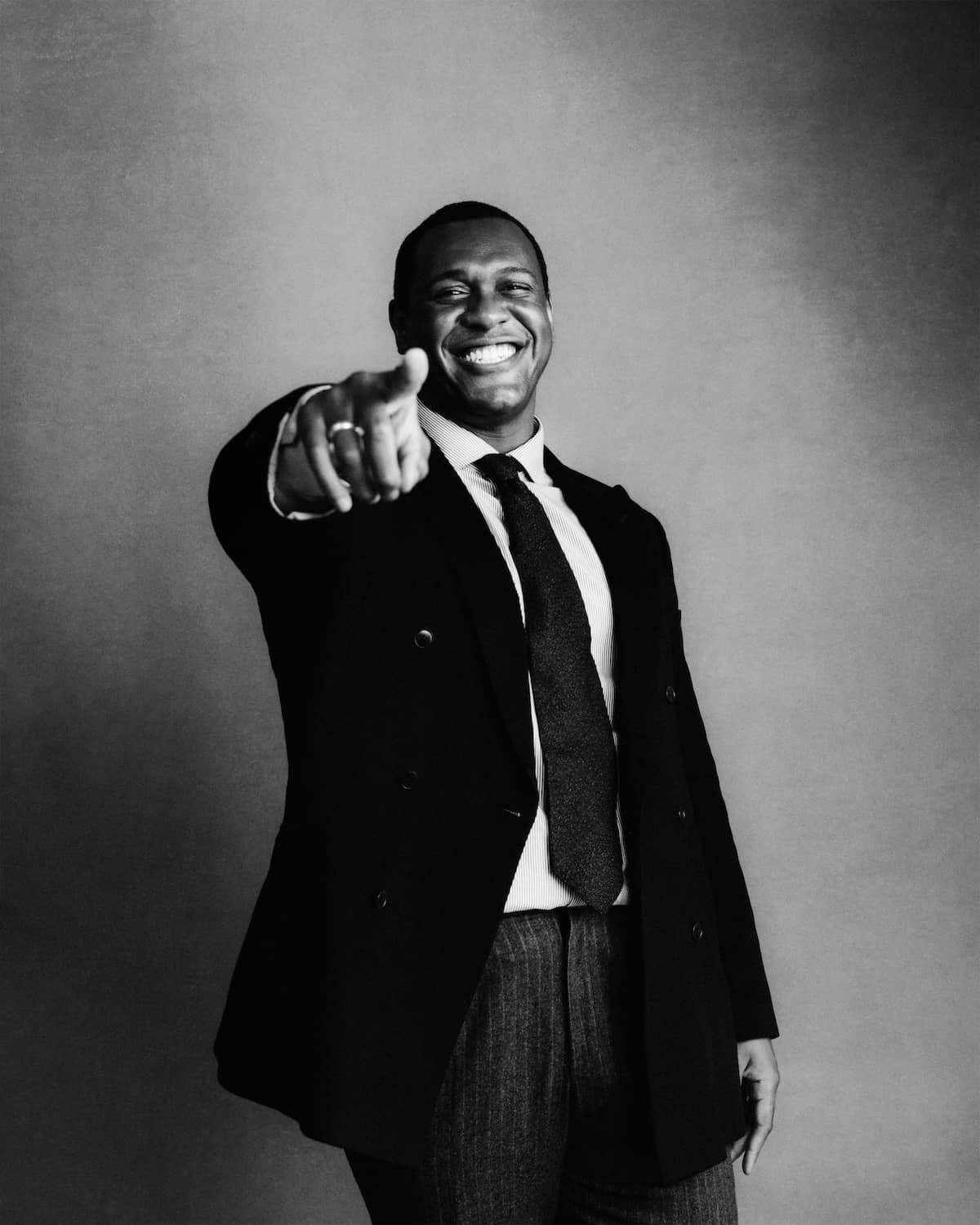
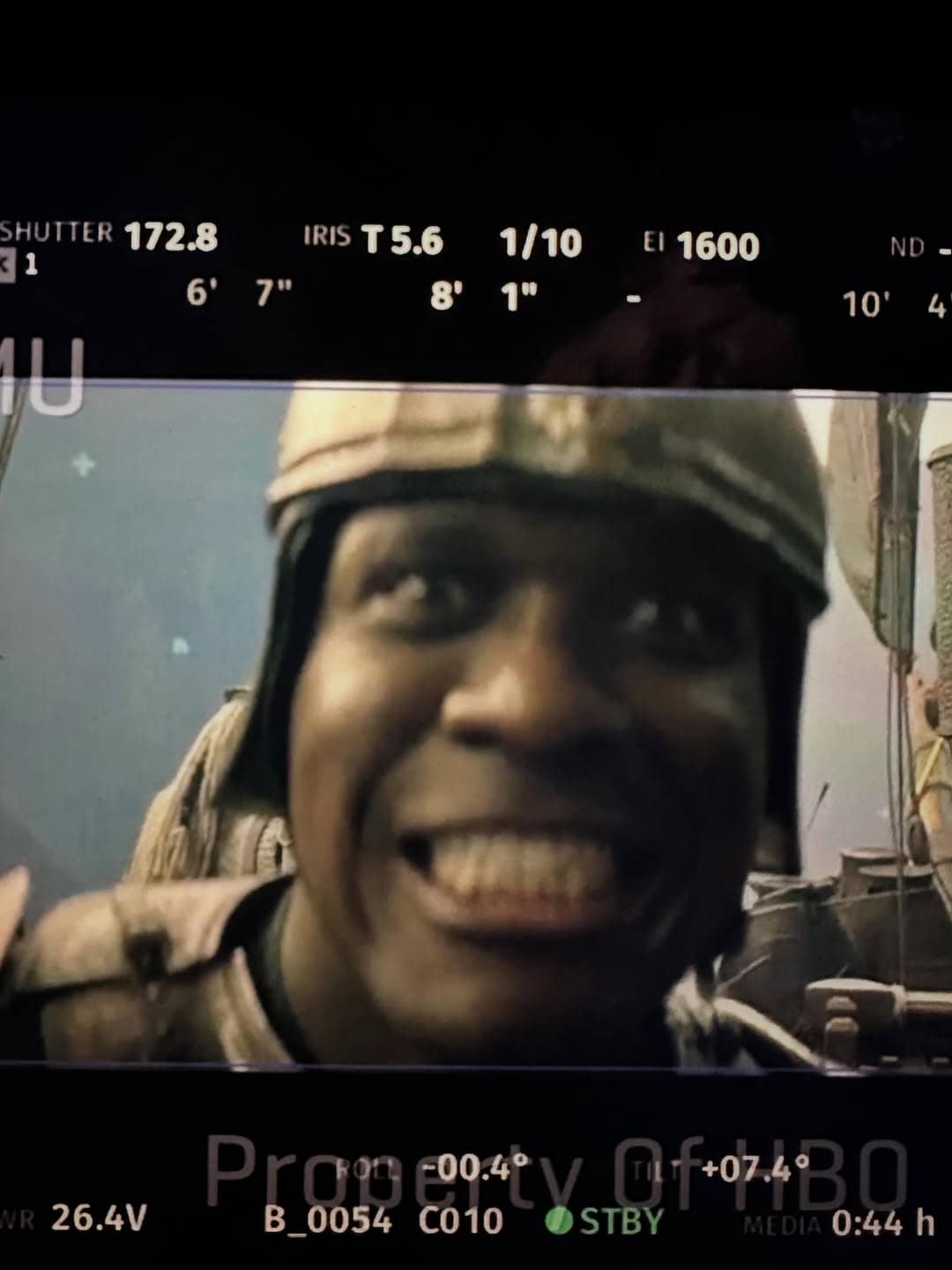
While critics and fans are mixed on Age of Umbra: Sallowlands, there’s no equivocating on the star appeal of Abubakar Salim, who stole the show with Mercy, his tragic Frankensteinian character who, despite a stutter and lumbering gait, easily made mash of his opponents with his iron-pronged fists. As CR’s founders deliberate on the seating arrangements of the next big table, we can only hope that Abubakar finds a permanent seat.
NEWS & RELEASES
Eternal Sunshine of the Spotless Mind
Welcome to the crossing, the gloaming, the Tenebral Reaches. This is the space between all we know from GenCon and what is yet to be revealed on 8/25. A kingdom of magic, a dreamscape to project your desires into what is not yet, a region unbothered by tariffs or container ships and untethered from the ploddings of RPG producers bound by time and space. Be at peace here, adventurer. The wanting is the way.
Dunn & Devs
Speaking of GenCon, Mike Dunn from Gaming Trend sat down with Spenser, Rowan, and Rob for one of the better dev interviews, discussing broad topics like system design and feedback loops, and specifics like how the Fighter became Brawler, Hope Punk, and whether we do or don’t need more spells.
A Link to Somewhere
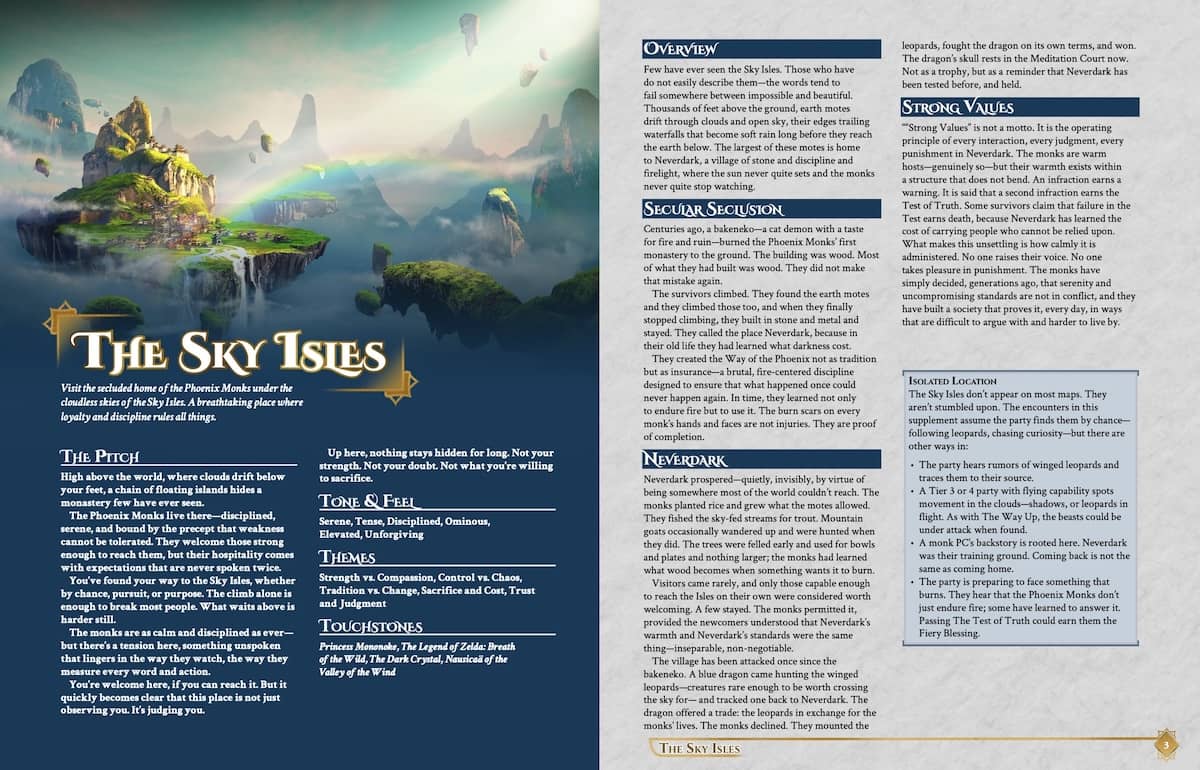
It’s unlikely you haven’t heard of Jack Panic’s collab with Darrington for Sallowlands: Road To Nowhere—but the Mad-Max-meets-Dark-Souls-by-way-of-Mario-Cart zine is now available on the Daggerheart site, branding it the first adventure frame to be embraced by the publisher.
Brawler Class
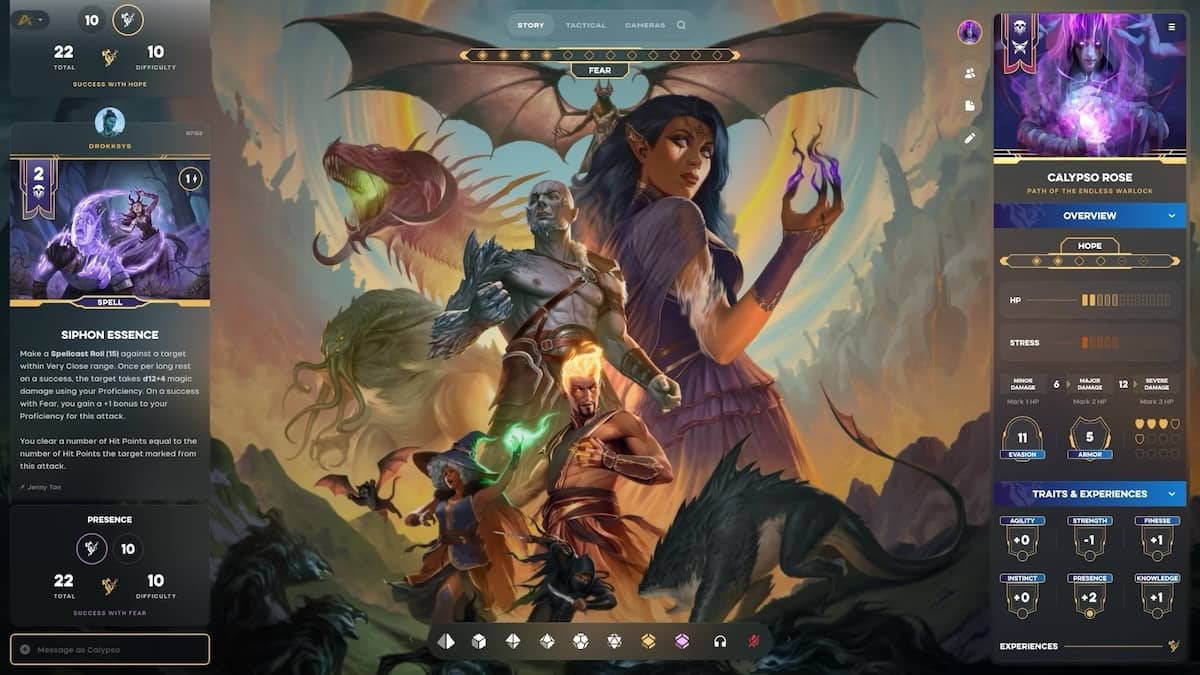
Alchemy has opened up pre-orders for Hope & Fear. Along with back-end improvements, bug fixes, and new features, the VTT is fighting fit and looking to grab marketshare by positioning itself as less complex (Foundry) and much faster (Demiplane).
Twitch Hitch Switch
Twitch’s new and unwelcome AI features have granted the Daggerheart community a boon: Xero from Artificer Industries (The Skies of Calopa) has left the platform to focus solely on hand-made art, artifacts, and adventures for Daggerheart, looking to replace streaming revenue with Patreon subs and product sales. Give them a peek.
Low Reaction Roll
Rigamaroll, the AP-with-TV-actors that debuted in January to surprisingly good numbers (~10k episode average) is running a Kickstarter for S2—but may have overestimated their reach. Looking to raise a whopping $200k, the troupe has received less than $5k in commitments almost two weeks into the campaign, a dramatic contrast to the blockbuster Demonheart and Heart of Cthulhu runs. AP funding is much harder ground to cover than trad publishing. It's untested for Daggerheart—and even in the grander D&D landscape, there are thousands of unfunded projects for every Dungeons & Daddies.
Sky High
Seeking to raise considerably less, Minnesota-based CZRPG hit their KS funding goals on day one, offering to convert their 5e Amazing Adversaries and Environments to Daggerheart. Depending on the over, the publisher plans to convert several of their already successful D&D tools to the system.
DISCUSSIONS
FAFO, Folks
“You're supposed to make suboptimal decisions.” That’s Tavyth, ostensibly responding to a chonky thread about 5e expats struggling with narrative flow, but dialling in on players looking to optimize every decision and tanking the story along the way.
“My Bard COULD just hang around in the back, but in a real battle where his friends are all fighting with him? Why WOULDN'T he cast a spell to help? In the rules of the game you could view it as wasting a turn, but in the STORY you're trying to tell, it's a natural reaction. You are all fighting, and you're still a part of the action whether you act or not. You're supposed to make suboptimal decisions. You're supposed to participate. Don't "Throw" the fight, but you've got to participate, because at the end of the day the battle itself is just a vessel for telling a story in the framework of Daggerheart.”
Low-Not-No
Semi-related, here’s skyknight responding to a GM wondering if Daggerheart is truly a “no-prep” system where narrative can be a free-for-all:
“The people who say “plan nothing” are being absurd. You can plan things and probably should like major threats, but the trick is to hold on loosely. Let your players have a choice and a voice, let them go where the story interests them and make interesting things happen where they go. React to what they do, instead of forcing them to go where your narrative demands they go.”
Space Commander
Ginny D is stumping for her new D&D adventure module in this video, but watch it for the real battle explainer: the internal fight women feel over their place in the industry and how to overcome self-doubt.
MORE:
VIBE CHECK
🎯 GM TIPS
Broadening the Brawler
While Rob Jon's Brawler video should be in Player Tips, we've included it here because of a nuanced take on how to shape and play the Class at your table. Too often players and GMs accidentally collude to create a plodding version of this archetype. But after a few minutes with RJ, you'll be inspired to offer more variants during character creation, and chart more meaningful dramatic arcs.
Experience for the Inexperienced
"Traits can tell the table what your character is good at. Experiences can tell them why" is a good summary of Taliesin's GYST explainer for this frequently misunderstood game mechanic. Like the duality dice and armour, Experiences were designed to convey narrative consequences, not just act as a "spend one, get three" spam feature. Watch it so you have a better understanding of how to manage it at the table, but share it with your players so they appreciate how it builds character. PS: We appreciate the reference.
MORE:
🍺 HOMEBREW
Meadow's Edge
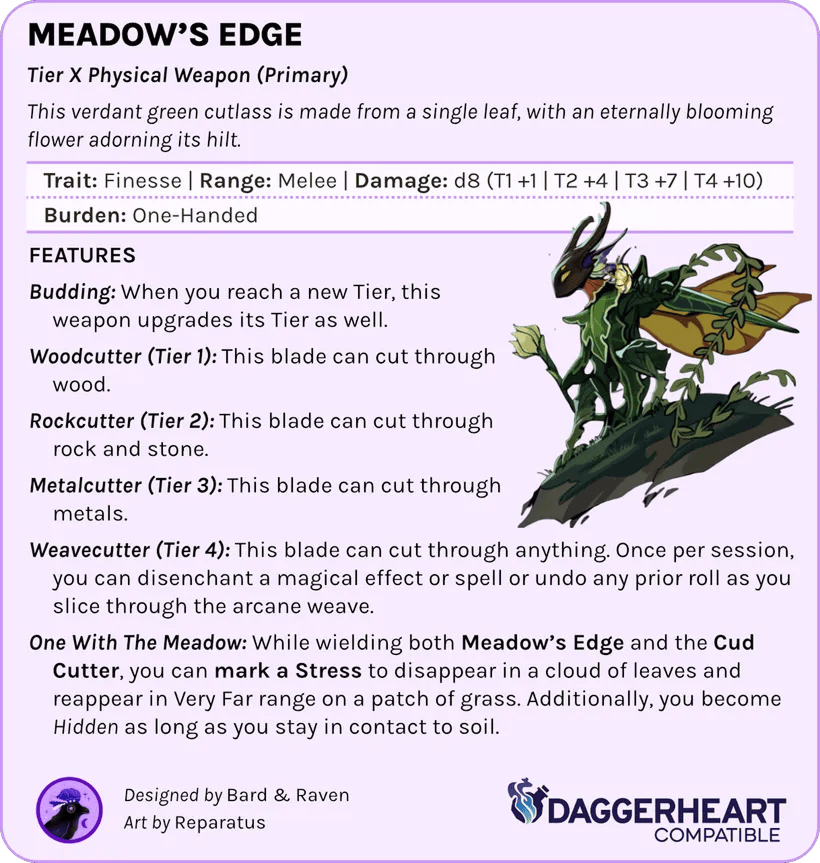
One of the more whimsical Daggerheart creators (Bees! Boats!), Bard & Raven's Meadow's Edge is an artful blend of story (a blade forged of a single leaf) and mechanics (it cuts through increasingly hard material as you Tier up) that gives a piece of equipment its own story arc.
🌎 CAMPAIGN FRAME
This Time, Nobody Dies
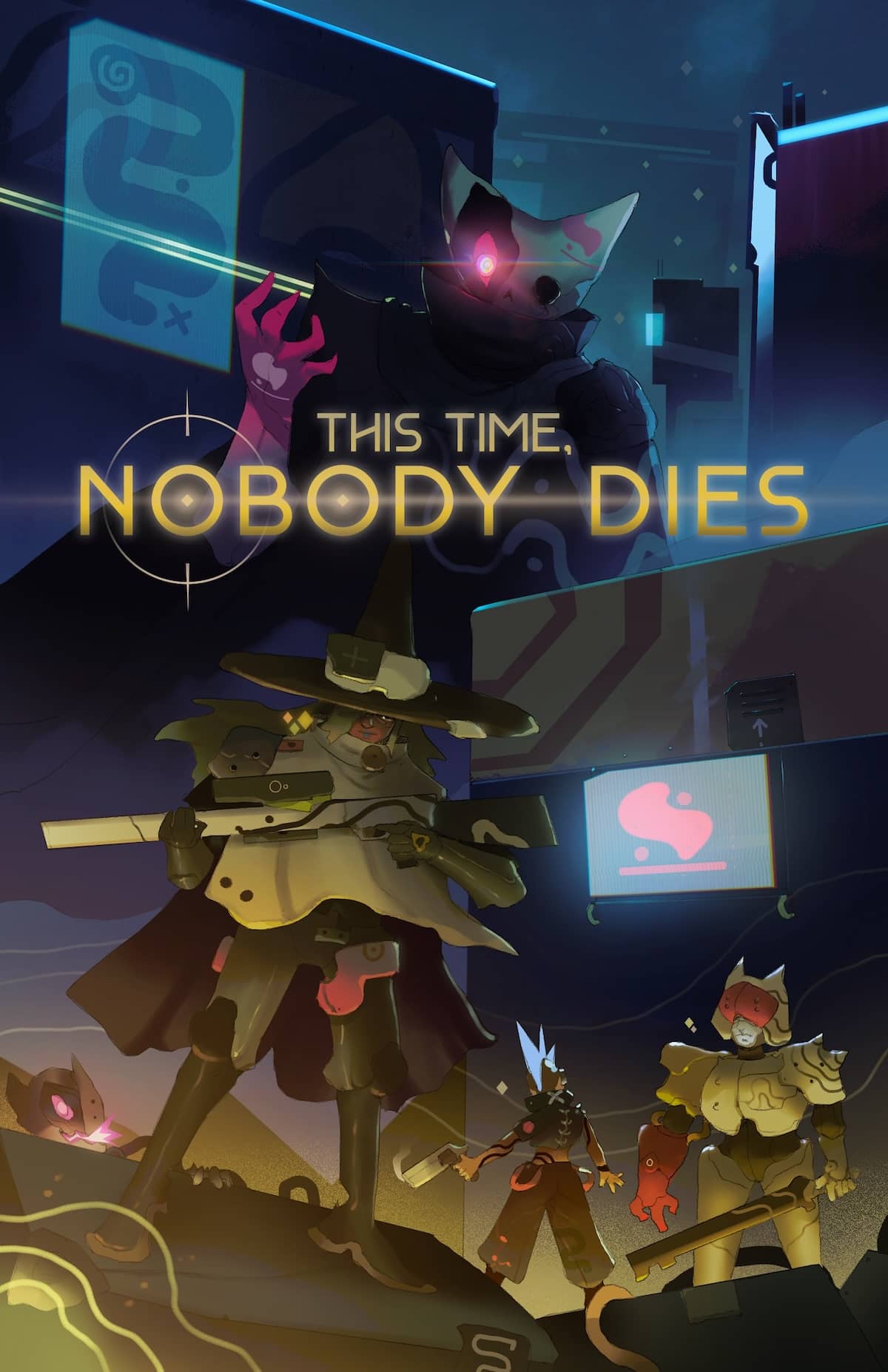
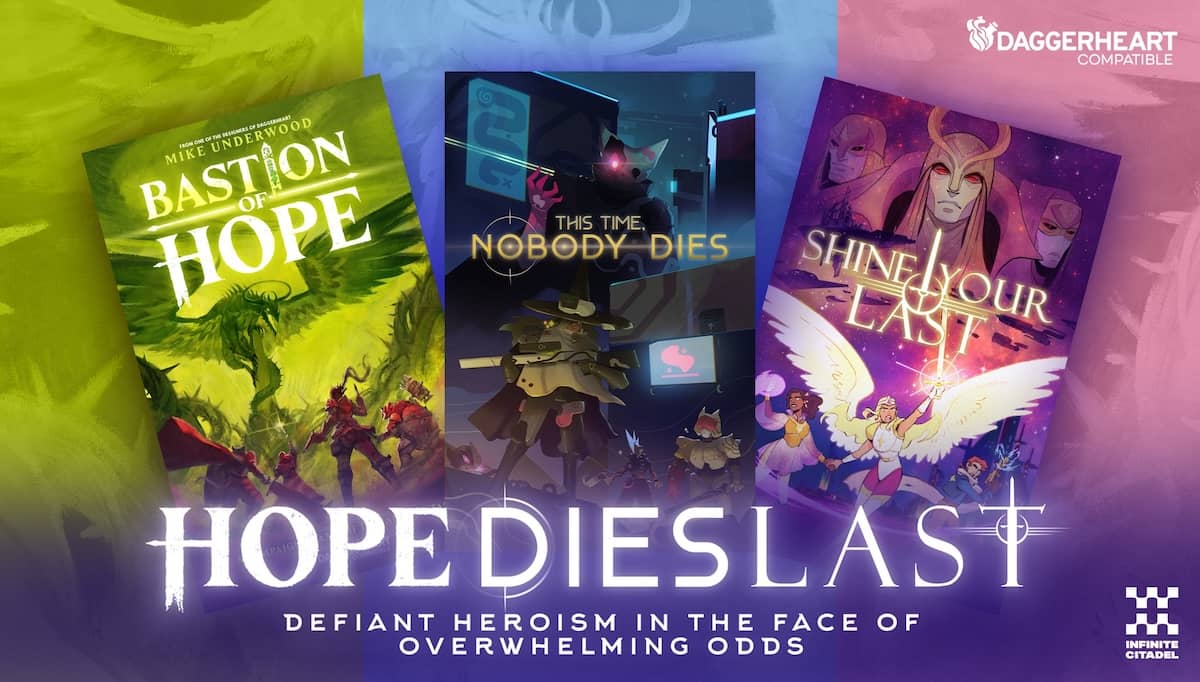
This Time, Nobody Dies is a follow-up to Mike Underwood's hit Bastion of Hope, and the second in a trilogy/triptych called Hope Dies Last focused on "defiant fantasy" or, more plainly, fuck with the fascists.
Speaking with Rascal News, Underwood explains that TTND "brings Daggerheart into a cyberpunk mega-city where the only currency is CRED: how much you can buy (credits), and how much social capital you have (credibility). In this setting, each of Daggerheart’s Domains is represented and controlled by a Mega Corporation, whose mostly-immortal cyber lich C-Suites ensure no one forgets from whom power flows.
Against this background, the constantly beleaguered but still hopeful, still heroic player characters must answer the question, “How much can we engage with a system while trying to tear it down?” These “freelancers” run jobs for anyone that can pay, trying to scratch out a living while hoping to – eventually – do the “right thing”. To tear it all down. Even the ones that paid them."
Particularly intriguing is how TTND replaces Hope, Fear, and Gold with its own meta currencies, a trick Jack Panic used to fuel both Road to Nowhere and How's My Driving. As designer after designer modifies the system to suit their genre or mechanics, Daggerheart increasingly appears less as a fixed app and more like an endlessly extensible programming language.
🎨 CRAFTY
Sense & Sensibility
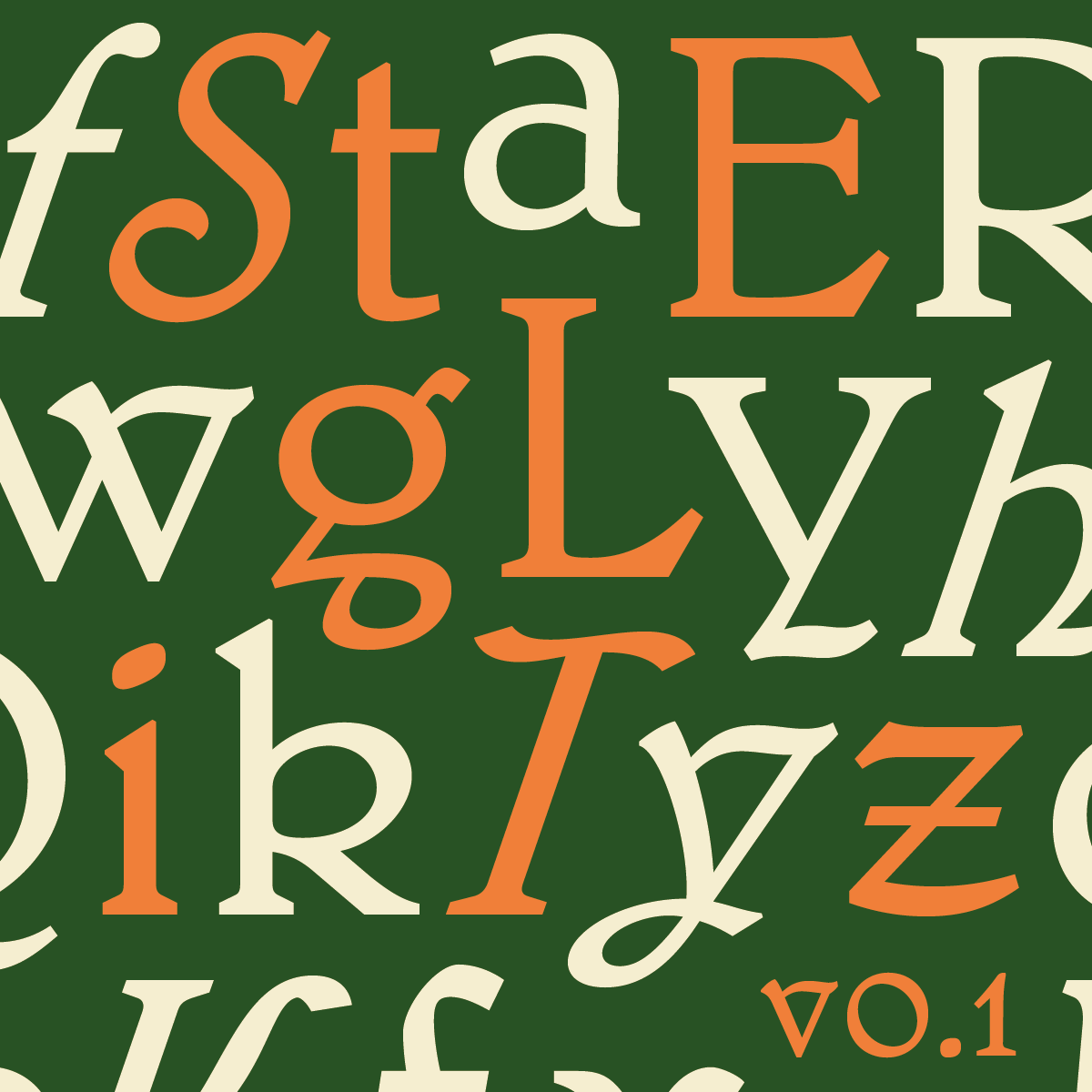
Steglitz is an ongoing revival of an early 19th-century font that marries the stoic build of Bookman with calligraphic swashes and loops—which is to say it's very TTRPG-ish and might make your next cover or spread pop. Regular and Italic are currently available for free via Future Fonts.
The Mathematics of Maps
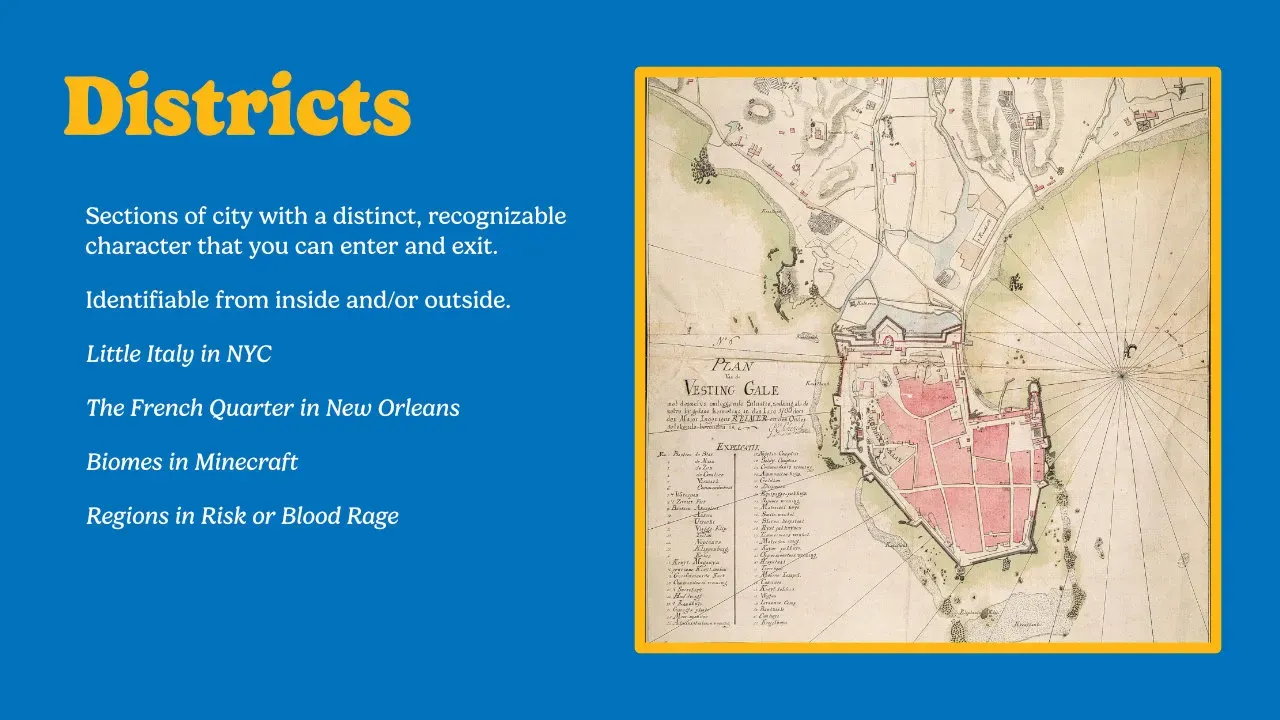
Skeleton Code Machine has an excellent new multi-part series on making better maps by thinking about them as graphs and data. Part I (item above) explores maps as data. Part II looks at them as graphs.
MORE:
- An App for Formatting PDFs for Bookbinding
- Underwood Examines Road to Nowhere (video / text)
- Abstraction in Adventure Design
🛠️ TOOLS & RESOURCES
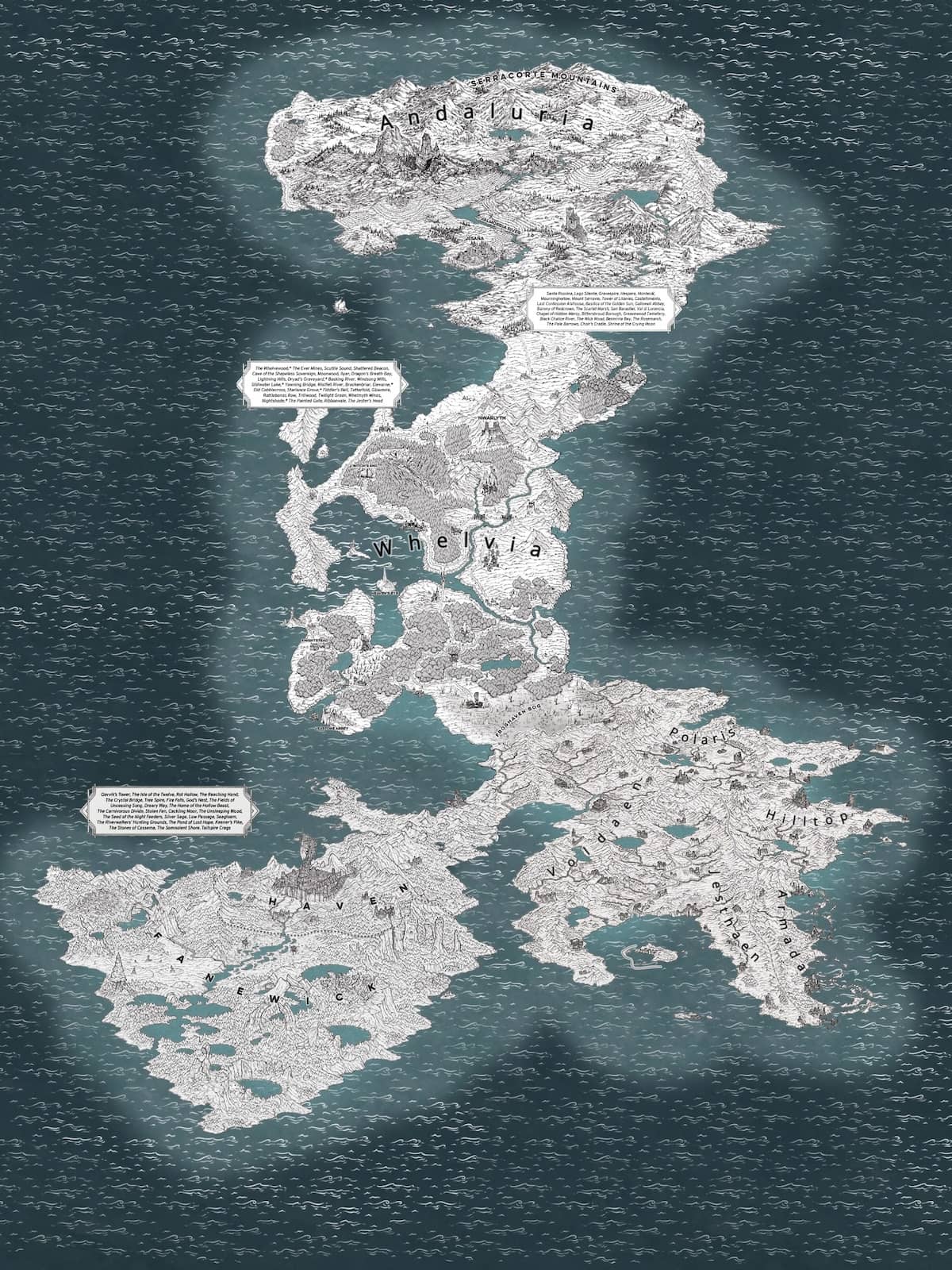
Life Establishment has welded the maps from Five Banners Burning, Weredragon, Witherwild, and Dark Heart of Andaluria into a single continental mass.
The Roundup:
- Moosemosis brings us the instant classic: free print-and-play improvised Adversary cards.
- Unsure of your next move? Much Market shares their bookmark roll-table to help motivate duality dice outcomes.
- Poker-chip Fear and Ability tokens, along with a fancy tray holder, are ready-to-make thanks to Target Crafter.
- Link, Leverage, and Language gives you and your players a framework for social encounters.
- For a wee cost, smitchellmaps is offering 900+ hand-drawn fantasy region icons to adorn your maps.
- Wizard's Revenge is a stunning location scene/map by one of Inkarnate's top creators. It's available to download or clone.
- Via Nico de Gallo, a soon-to-end Humble Bundle of game audio and SFX libraries.
- To celebrate hitting 1k unit sales, Carlos Cisco is offering 50 free community copies of Pistolheart Vol 1.
- The Monster Approaches generates a random MÖRK BORG monster that you can adapt to Daggerheart using Chris Davidson's canonical guide.
INSPO
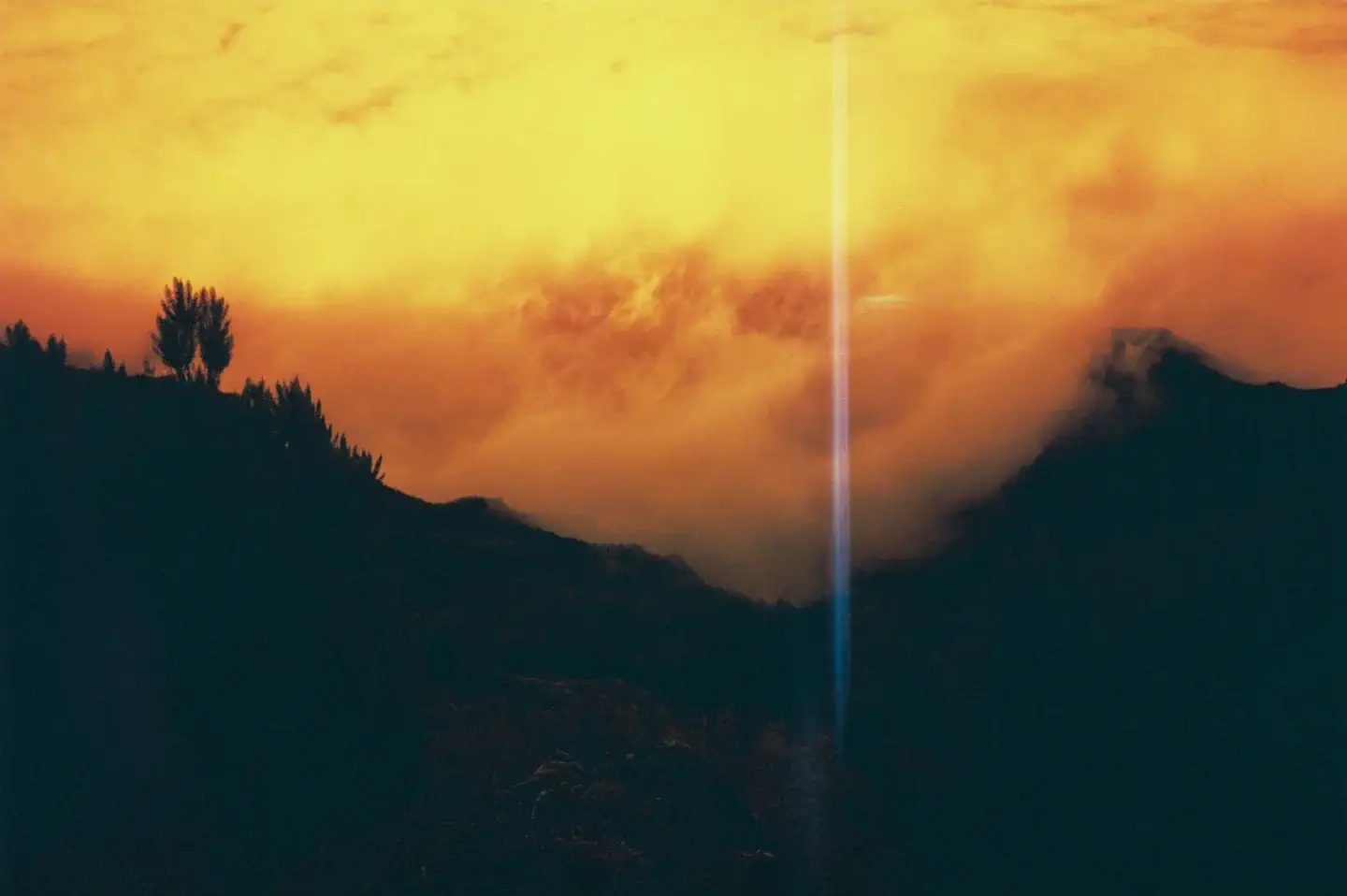
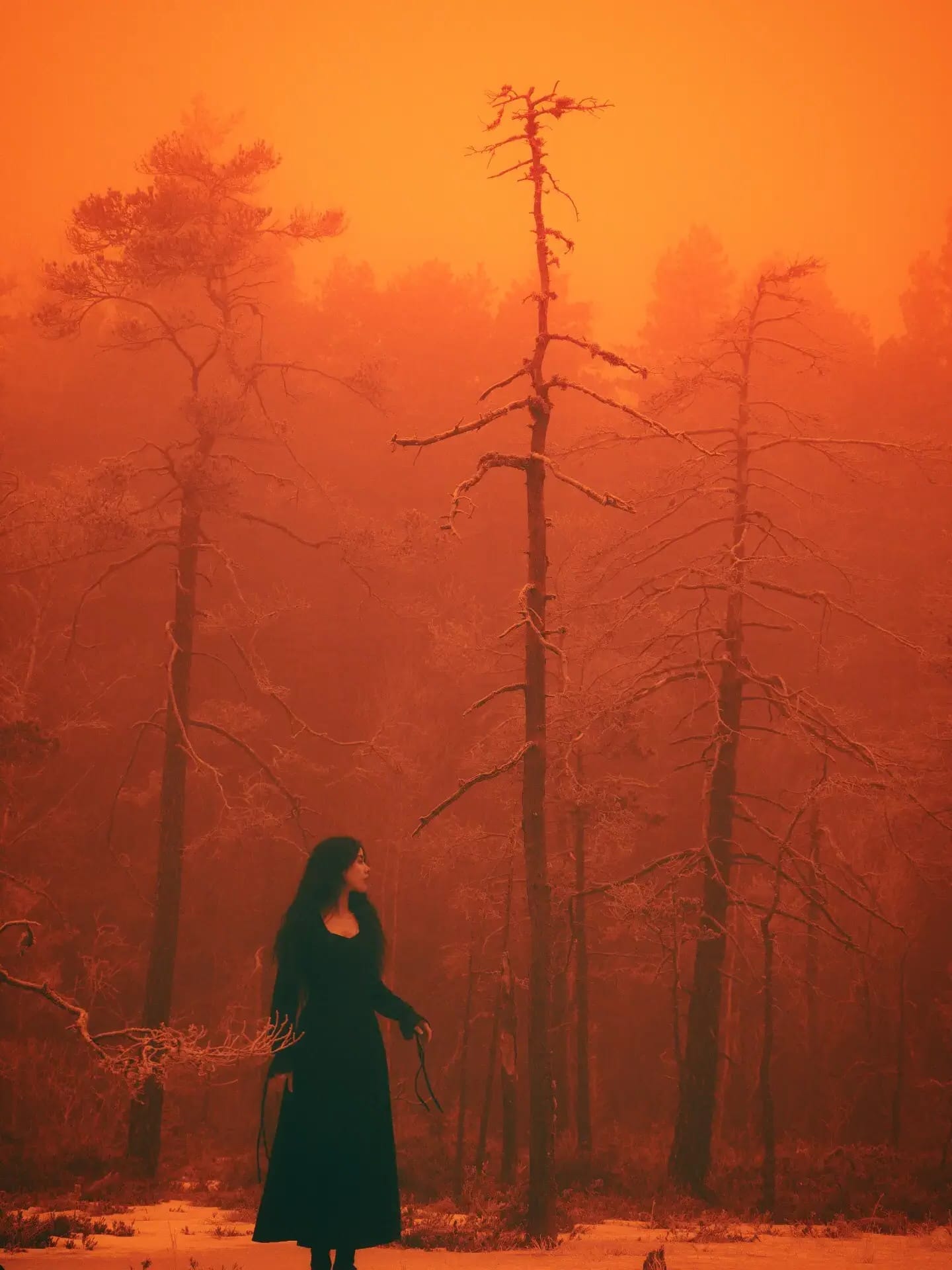
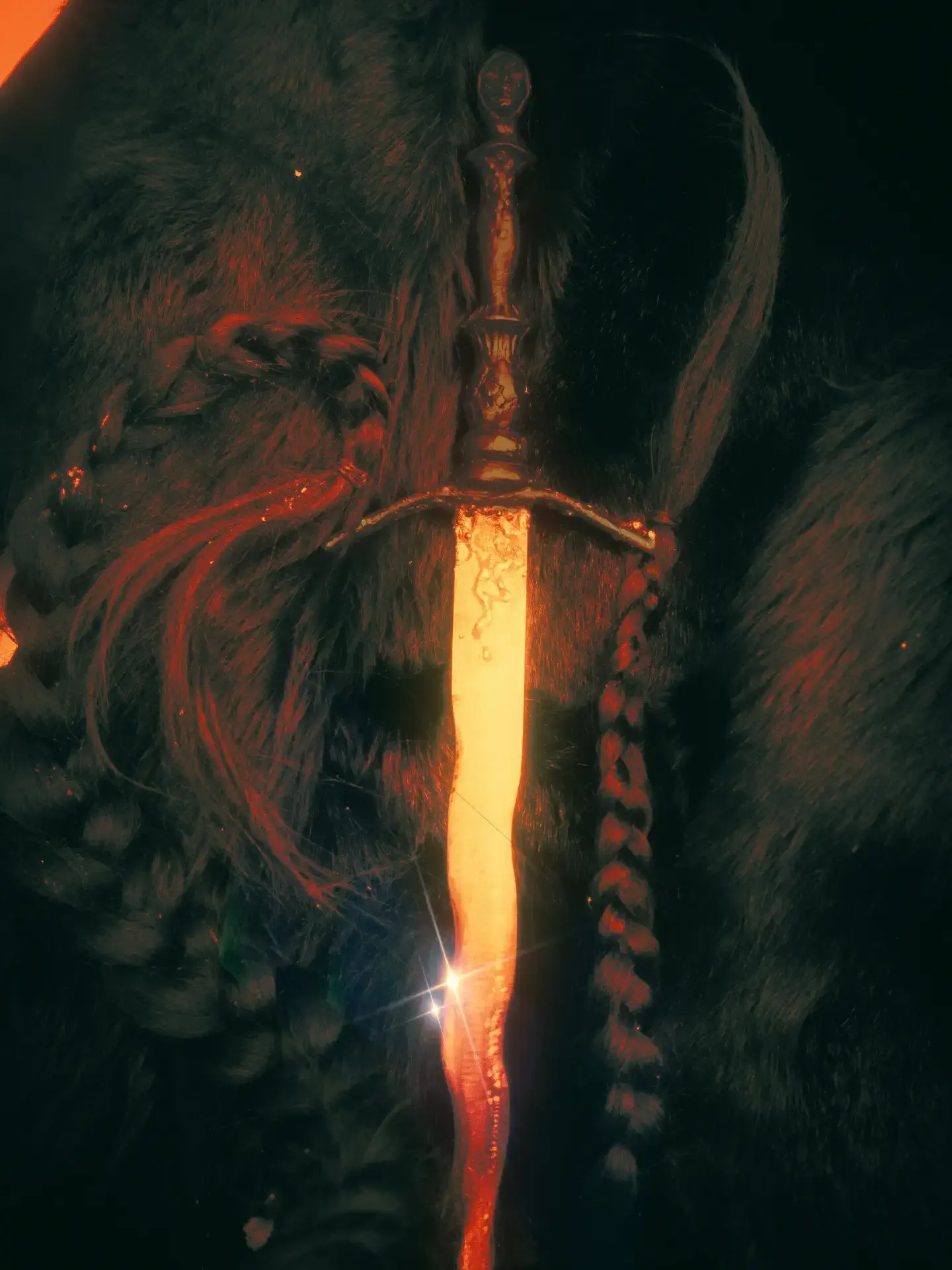

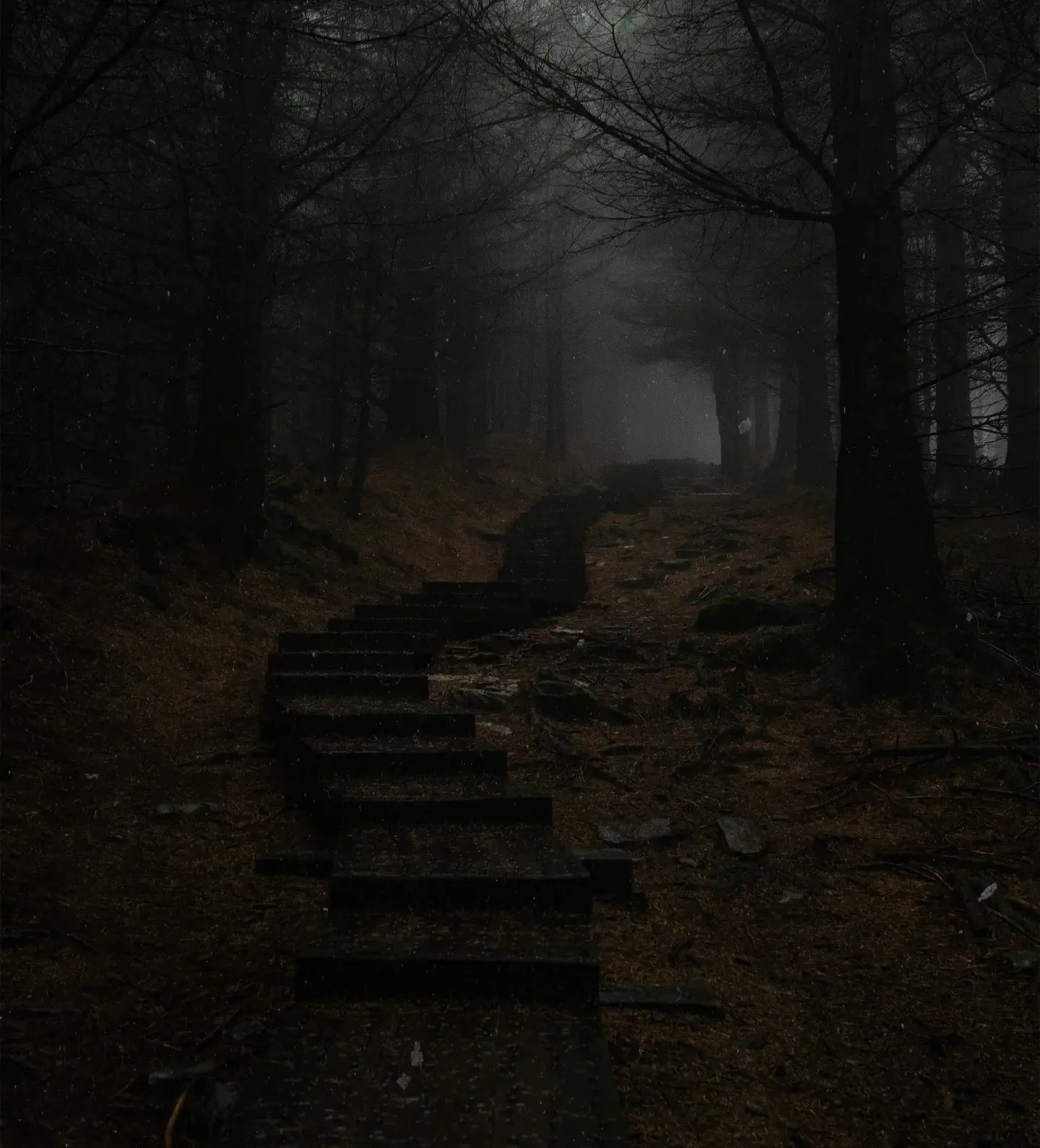
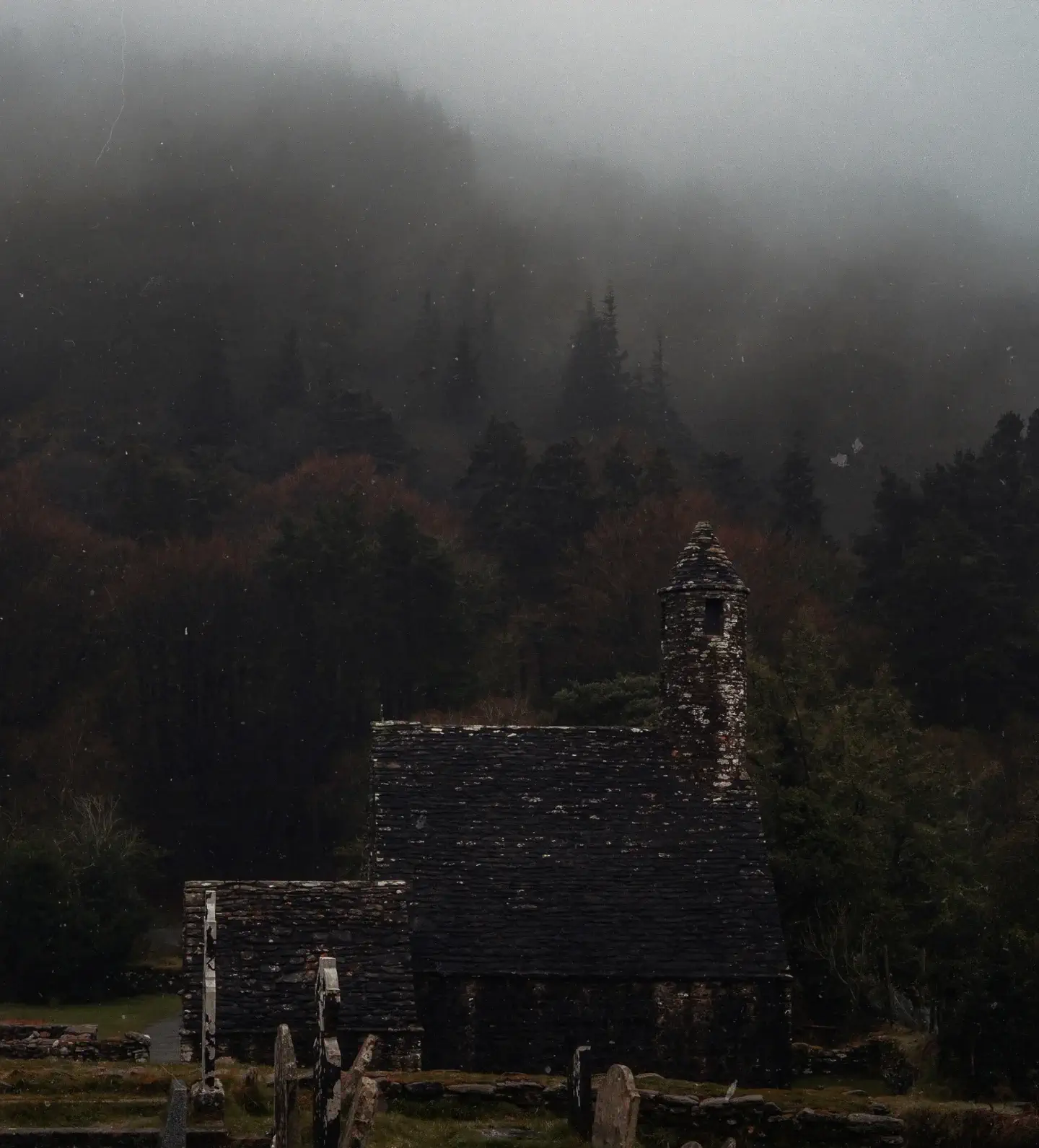
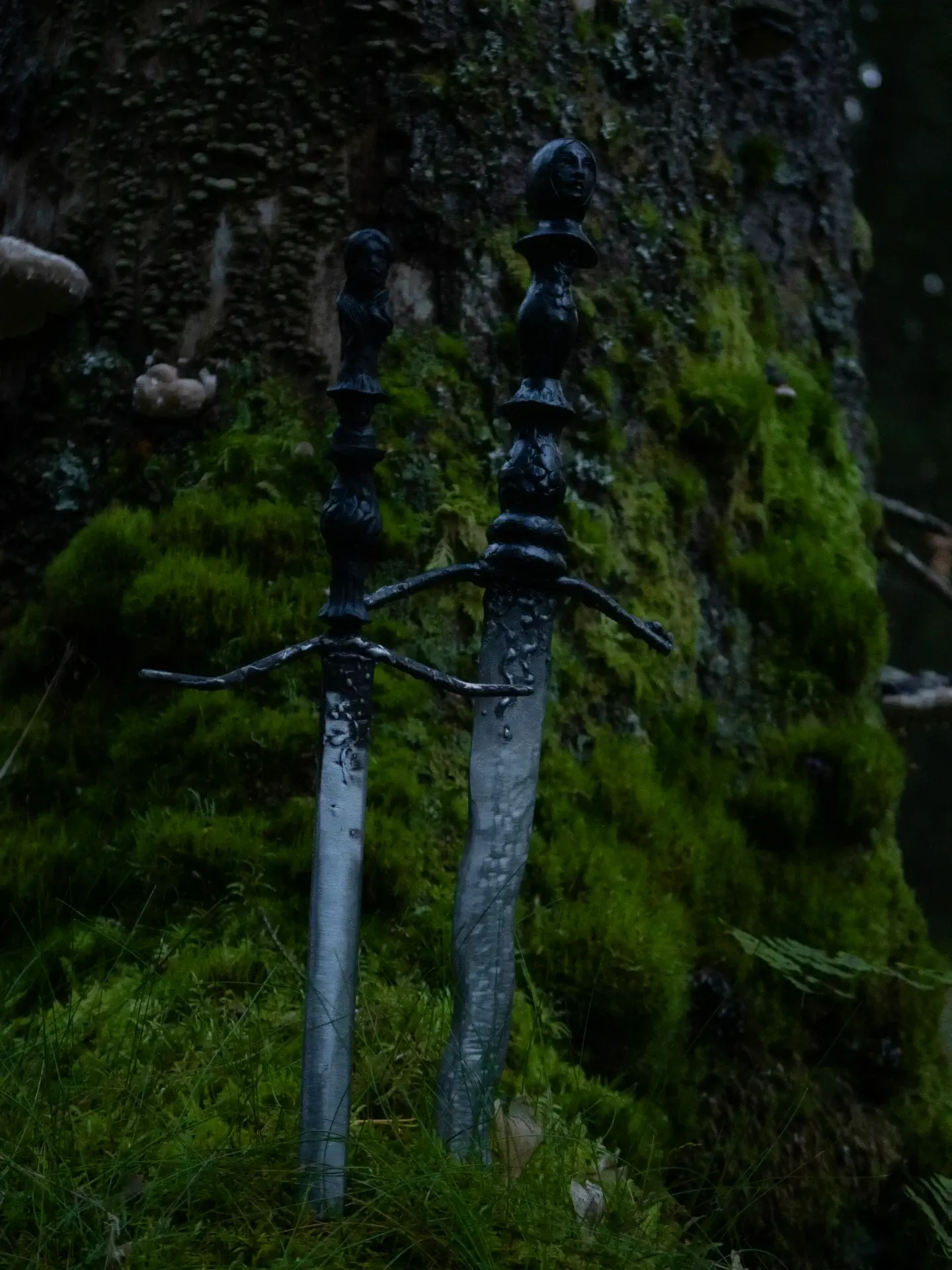
Norwegian artist sifjar's photos suggest Guinevere left the British Isles and took up residence in the northern reaches, haunting the glades and woods while swooning for lost loves. The perfect mood board for your next David Lowery-inspired campaign.
STORYTELLING
Medieval Mindset
A good chunk of Daggerheart plays out in quasi-medieval settings that mimic the castles, market towns, and landscapes of the United Kingdom. So why not spend some time there and learn about the rituals and patterns of daily life?
Tudor Monastery Farm is a beautifully produced six-part BBC historical series (re-packaged for the Chronicle YouTube channel) in which historians live and work on a functioning monastic estate, reconstructing daily life using period tools, crops, and routines. It focuses less on politics or war and more on food, labor, religion, and the seasonal rhythms that governed ordinary medieval existence.
For Daggerheart tables, those details translate directly into texture and story hooks. They help GMs animate the settlements that make up the world in-between cities and dungeons, and give players a sense of what their characters (or NPCs) eat, work at, and depend on between adventures. I filled my notebook with hundreds of details that have already made my world richer and more tangible. [Ed: Re-upped from Vol 20 for new subscribers]
ETC
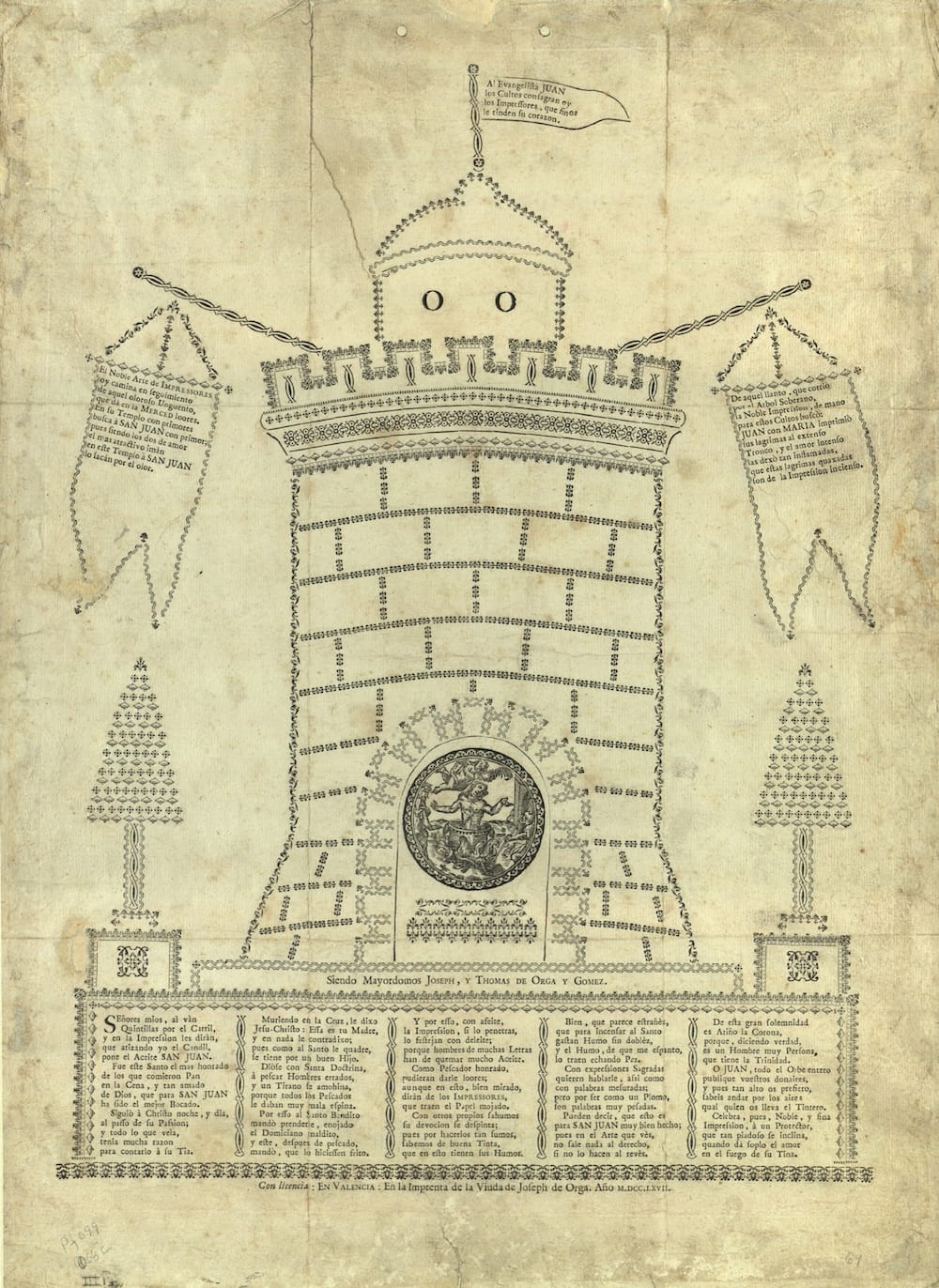
An Archive of Medieval ASCII Art
The Brutal Reality of Medieval Swords
The Great Flattening: Why Everything Became a Character Build